
A thinker once said, “Politics is about power.” Indeed, those who live in society are embedded in a world of relationships—relationships that are inherently shaped by power dynamics. These dynamics exist in every facet of life, from our personal identities and families to our participation in society. The power relationships we seek are horizontal and democratic in nature. Building a democratic society, therefore, is rooted in every human interaction.
In Thai society, national politics—based on representative democracy—is increasingly questioned. Many wonder whether it truly reflects the principles of democracy, especially when the public’s role seems to be limited to just “voting.” Once representatives are elected, they often no longer act in alignment with the people’s will. This disconnection leads to frustration and apathy, with some choosing not to vote at all due to a lack of trust in the system. Politics monopolized by representatives becomes unacceptable, prompting the critical question: What do we do next?
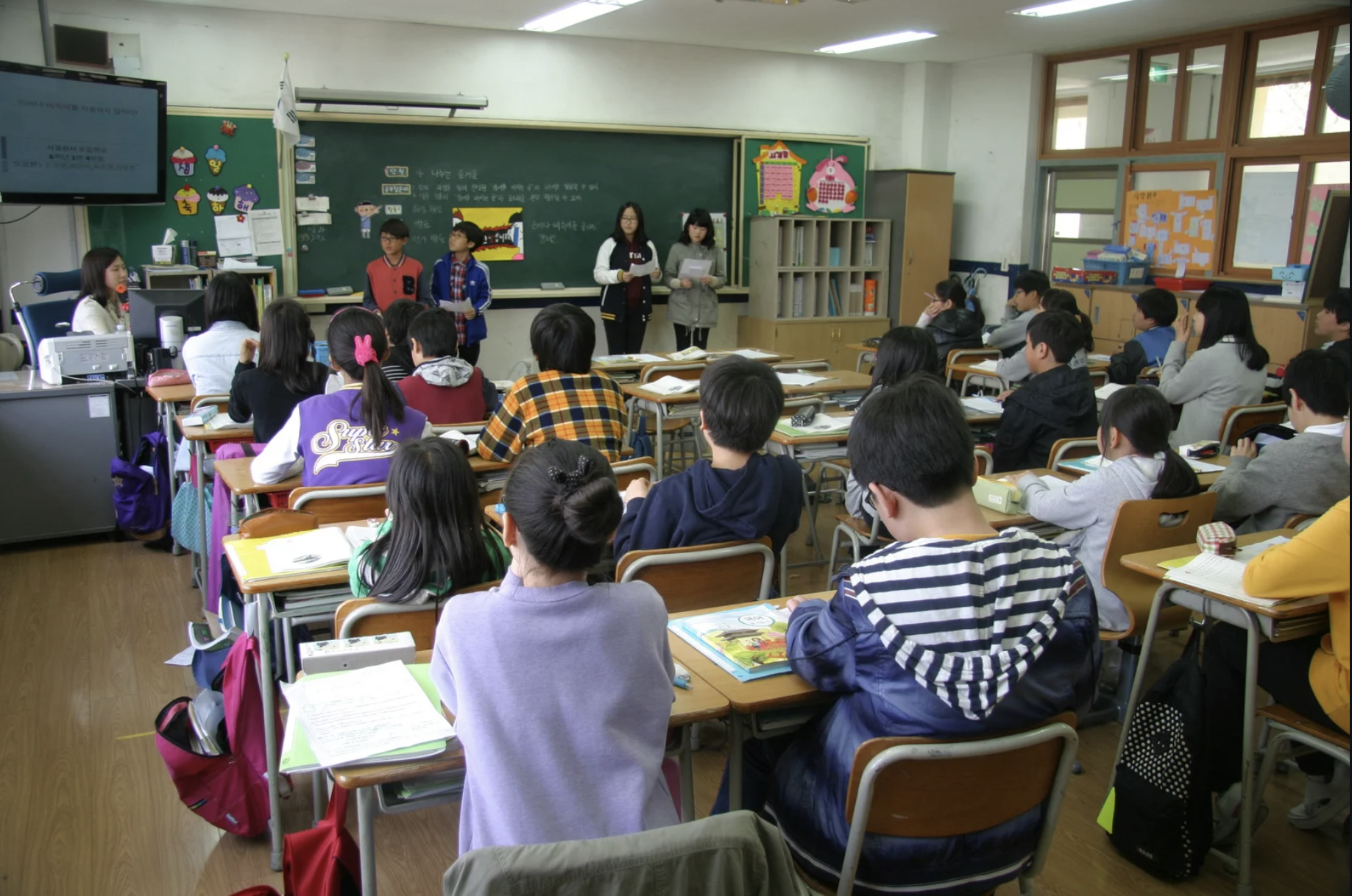
Education must play a role in facilitating the understanding of politics in everyday and social life. Classrooms must become spaces where students practice creative expression, learn to respectfully accept differing opinions, and collaboratively seek better solutions. Today, young people and broader society are increasingly interested in political matters. Education is thus a vital training ground for democracy.
Politics is not merely about political parties or power—it is about “social relationships” and “how we coexist in diversity.” Therefore, education must courageously engage with politics in a way that is both creative and safe. “We will not make politics a taboo in the classroom— but we will make the classroom a place where politics does not breed hatred.”
Guidelines for Teaching “Constructive Politics” in Sensitive Contexts
1. Start with a deeper meaning of “politics” — beyond elections.
Help students understand that politics is not only about parties or those in power, but about collective decision-making as citizens. For example: how should community budgets be spent? Do students have a voice in school decisions? Who decides on environmental issues in the neighborhood? Politics begins with us—not just in Parliament.
2. Create a safe space
Make classrooms places where all ideas can be expressed without immediate judgment. Use diverse techniques, such as appreciative listening, and design activities that encourage reasoning instead of belief clashes—like simulated debates without party labels or mock “student parliaments” that focus on process over outcome.
3. Use stories instead of lectures
Share narratives of people using political power constructively—students campaigning for equal restroom access, villagers uniting to protect a forest—highlighting that politics stems from real life. Let students see that they too can be “politicians” in their own lives.
4. Encourage analysis, not indoctrination
Use diverse media sources and let students compare perspectives rather than pick sides. Foster critical thinking and media literacy. The key question is not “Who do you believe?” but “How do you analyze?”
5. Uphold the values of democratic citizenship
Teachers don’t need to hide their political identities, but must model respect for diverse viewpoints. Students should be taught not just to love democracy, but to practice it responsibly. “In our classroom, students don’t have to think alike— but they must learn how to live with those who think differently. That is the essence of politics in a truly democratic society.”
Sample Activities
“Politics in My Life” – Create a mind map exploring political elements in daily life
“Let’s Debate” – Discuss social issues without naming political sides
“Walk in Someone Else’s Shoes” – Role-play opposing views and write a reflection
“Decode the News” – Compare news from three sources to analyze media bias